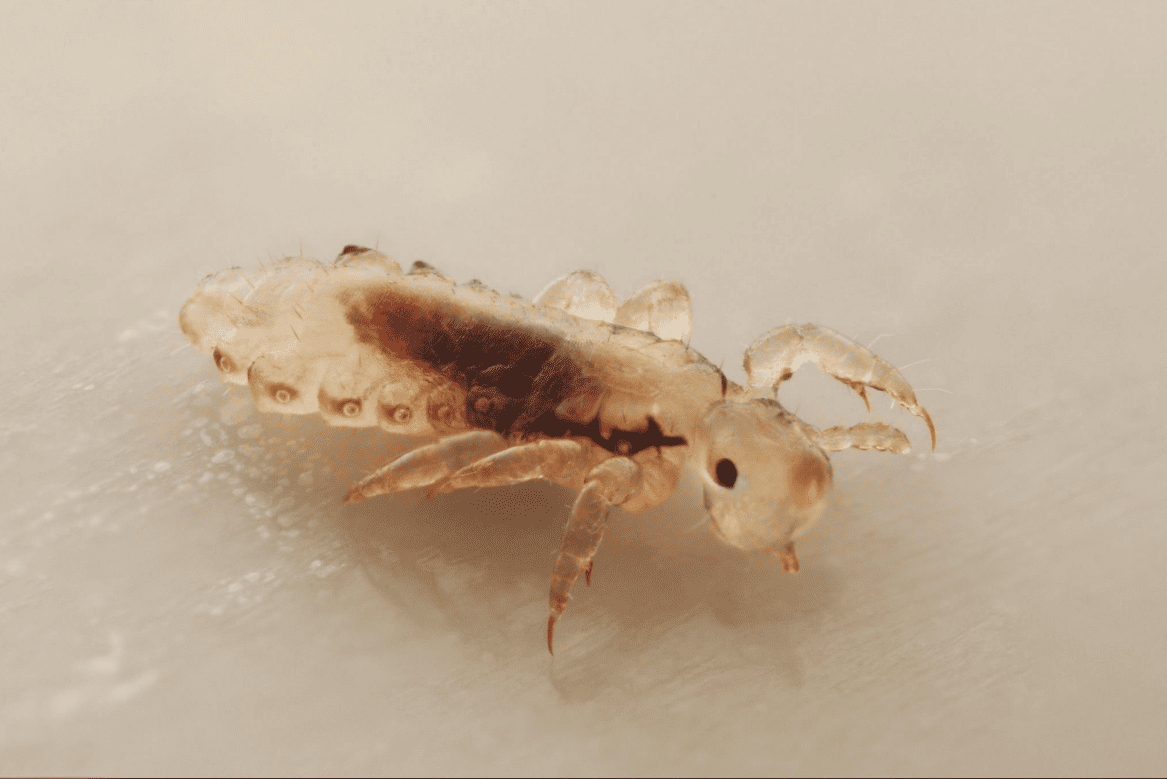
Head lice are a common concern for both children and adults around the world. Many families worry about how easily these tiny parasites can spread and what actually causes an outbreak. By understanding the main factors behind head lice infestations, people can take better steps to prevent and manage them.
Introduction to Head Lice and Their Prevalence Today
Head lice are small, wingless insects that live on the human scalp and feed on blood. They are not dangerous, but they can cause itching and discomfort for those affected. Although they have been a part of human life for thousands of years, head lice outbreaks remain frequent in schools and communities.
Children are especially prone to head lice, but adults can also be affected. Over the past few decades, studies have shown that infestations are most common among children aged three to eleven. However, head lice can spread to people of any age, making awareness and prevention critical for everyone.
Today, experts estimate that millions of people get head lice each year. In many countries, outbreaks peak during school semesters when children are in close contact. Therefore, learning about how lice are transmitted and what increases the risk can help reduce the number of cases.
How Head Lice Spread Between Children and Adults
Head lice spread mainly through direct head-to-head contact. Children often play closely together, touching heads during activities and games. Adults can also get lice by hugging children or sharing a bed with someone who has an infestation.
Sharing personal items can also contribute to the spread of lice. Items such as hats, scarves, combs, and pillows can carry live lice or their eggs from one person to another. Although lice cannot jump or fly, they can crawl quickly from hair to hair during close contact.
In households, lice often spread among family members. When one person brings an infestation home, others can become infested within days. Therefore, treating everyone in the household at the same time often helps stop the spread and ends the cycle of re-infestation.
Common Behaviors That Increase Head Lice Risk
Certain behaviors make it easier for lice to move from person to person. Children who sit close together in school, daycare, or at sleepovers face a higher risk. Sharing headphones, hair accessories, or hats during these activities can also play a role in transmission.
Adults can be at risk when they share towels, pillows, or bedding with infested individuals. Even a quick nap on a couch where someone with lice has rested can lead to a new case. Therefore, personal hygiene habits and sharing behaviors matter greatly in reducing risk.
Social events, such as sports teams or camps, can lead to outbreaks due to group activities and shared spaces. Reminding children not to share items that touch the head is a simple but helpful preventive measure. Parents and caregivers who teach these habits can help protect their families from lice.
Environmental Factors Contributing to Head Lice Outbreaks
Crowded environments, such as schools and daycare centers, provide ideal conditions for lice to spread. Large groups of children in small spaces increase the chances of head-to-head contact. Because children spend many hours together in such settings, outbreaks can happen quickly.
Warm and humid climates also support head lice survival. Lice thrive in temperatures close to body heat and can live for several days off the scalp in the right environment. Although lice do not live long away from a host, they can survive long enough on surfaces like bedding or furniture to find a new scalp.
Seasonal changes influence head lice outbreaks as well. Incidents often rise in late summer and fall when children return to school. During these months, increased social interaction and travel can lead to more opportunities for lice to transfer from one person to another.
Misconceptions About the Causes of Head Lice
Many people believe that poor hygiene causes head lice. In reality, lice do not care whether hair is clean or dirty, as long as they can find a scalp to live on. Lice simply need human blood to survive, so that anyone can get them regardless of personal cleanliness.
Another common myth is that lice can jump or fly from one person to another. Lice can only crawl, so direct contact is needed for them to spread. Understanding the actual way lice move helps reduce unnecessary panic and blame.
Some people believe pets can spread head lice to humans, but this is not true. Head lice are a human-specific parasite and do not live on animals. Knowing these facts can help families avoid unnecessary worry and focus on effective prevention strategies.
Prevention Tips and Key Takeaways on Head Lice Causes
To reduce the risk of head lice, avoid sharing items that come into direct contact with hair. Encourage children to keep their personal belongings separate at school and during social activities. Regularly checking children’s hair, especially after sleepovers or camp, can help catch infestations early.
If one family member gets lice, check everyone in the household and treat all affected people at the same time. Cleaning bedding, hats, and brushes helps prevent lice from spreading further. Remind children to avoid head-to-head contact during play whenever possible.
Education plays a key role in preventing head lice outbreaks. By understanding how lice spread and what behaviors increase risk, families can take effective action. Simple habits and awareness can make a big difference in reducing the impact of head lice.
Conclusion
Head lice can be a stressful problem for families, but knowing the real causes and risk factors makes prevention much easier. By understanding how lice spread, people can avoid unnecessary fears about cleanliness or pets. Instead, adopting smart behaviors like not sharing personal items, checking hair regularly, and treating infestations promptly can help keep families lice-free. Raising awareness among children about the importance of not sharing hats or combs also plays an important role.
Parents, teachers, and caregivers benefit from learning the facts and sharing this information with others in their community. With the proper knowledge and habits, head lice do not need to disrupt anyone’s life for long. Remember, anyone can get head lice, regardless of age or hygiene level, so there is no need for shame or embarrassment. Early action and open communication keep outbreaks under control. As families and schools work together, fewer people need to deal with the discomfort and inconvenience of lice. Ultimately, understanding the true causes and prevention methods is the best way to protect both children and adults.